
Trusted by forward-thinking organisations
Services
Comprehensive consulting and intelligent innovation
Whether you’re optimizing today or building for tomorrow we help you move faster with confidence.
AI Strategy & Advisory
We assess organizational AI readiness, identify high-value use cases, and build a clear, executable roadmap from strategy through to deployment and measurable impact.
Intelligence Impact
Active Engagement
0%
0%
AI Adoption Rate
AI Adoption Rate
0
0
/ —
Enterprise
Ongoing
—
Enterprise
Ongoing
—
Enterprise
Ongoing
—
AI Training & Workforce Development
We develop AI literacy across your organization — executives to operators — building the mindset, capability and discipline to work with AI effectively at scale.
Expertise
that
Combines
Strategy,
Data
and
Artificial
Intelligence
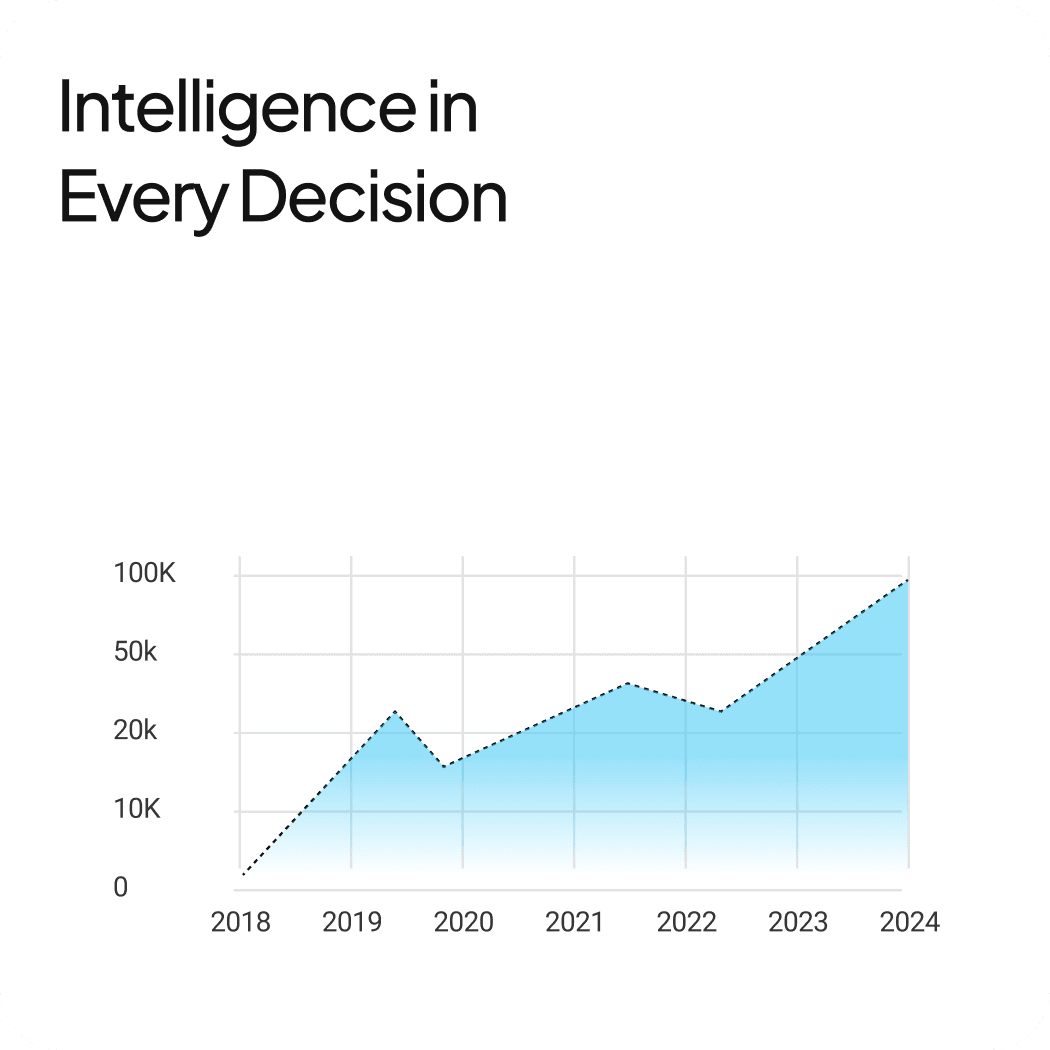
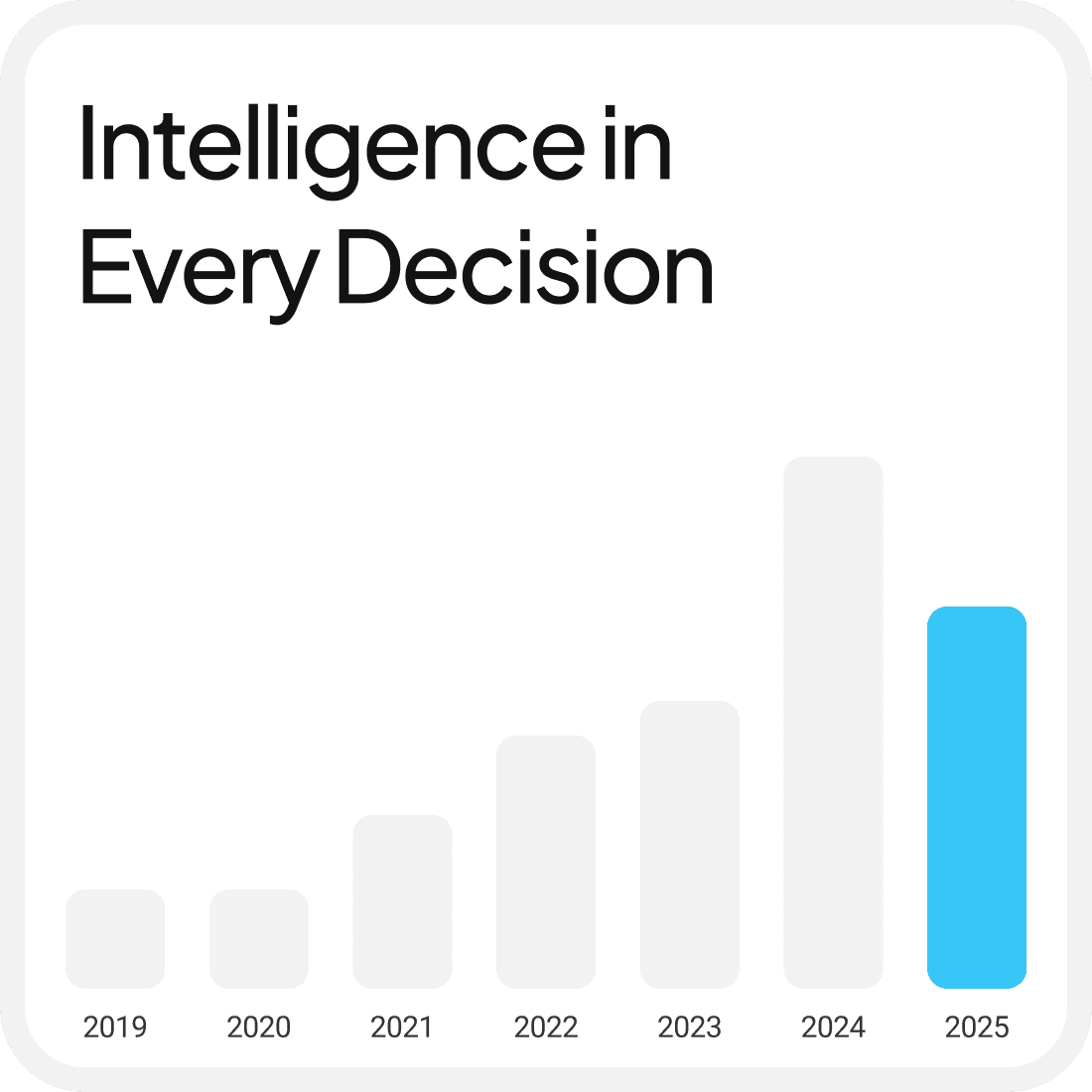
Intelligence in Every Decision
2019
2020
2021
2022
2023
2024
2025
AI Agent & Automation Engineering
We architect, build and deploy custom AI agents and intelligent automation workflows that eliminate manual bottlenecks and scale your output without scaling your headcount.



Trusted partners
Smart. Simple. Strategic.
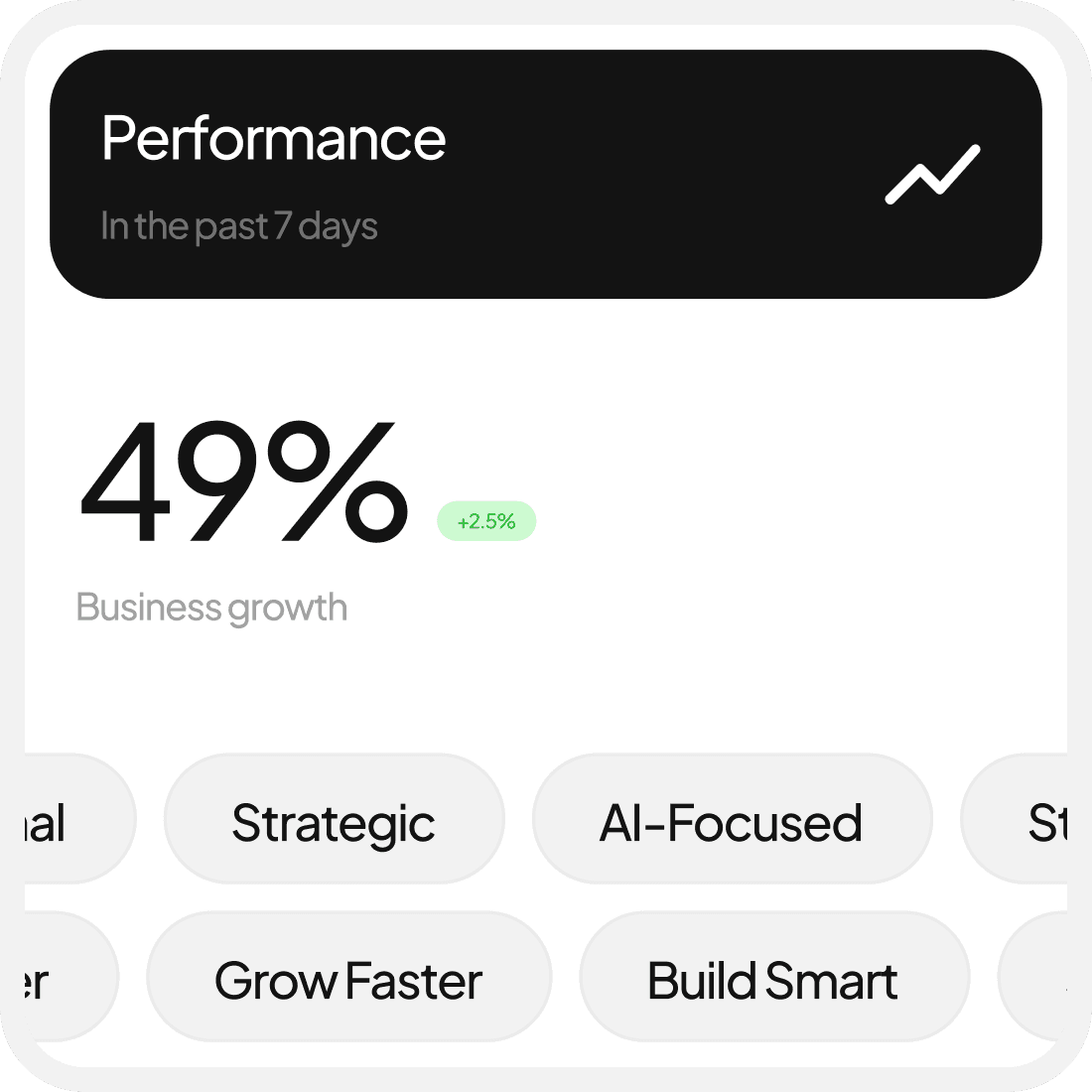
Intelligence Impact
Active Engagement
0%
0%
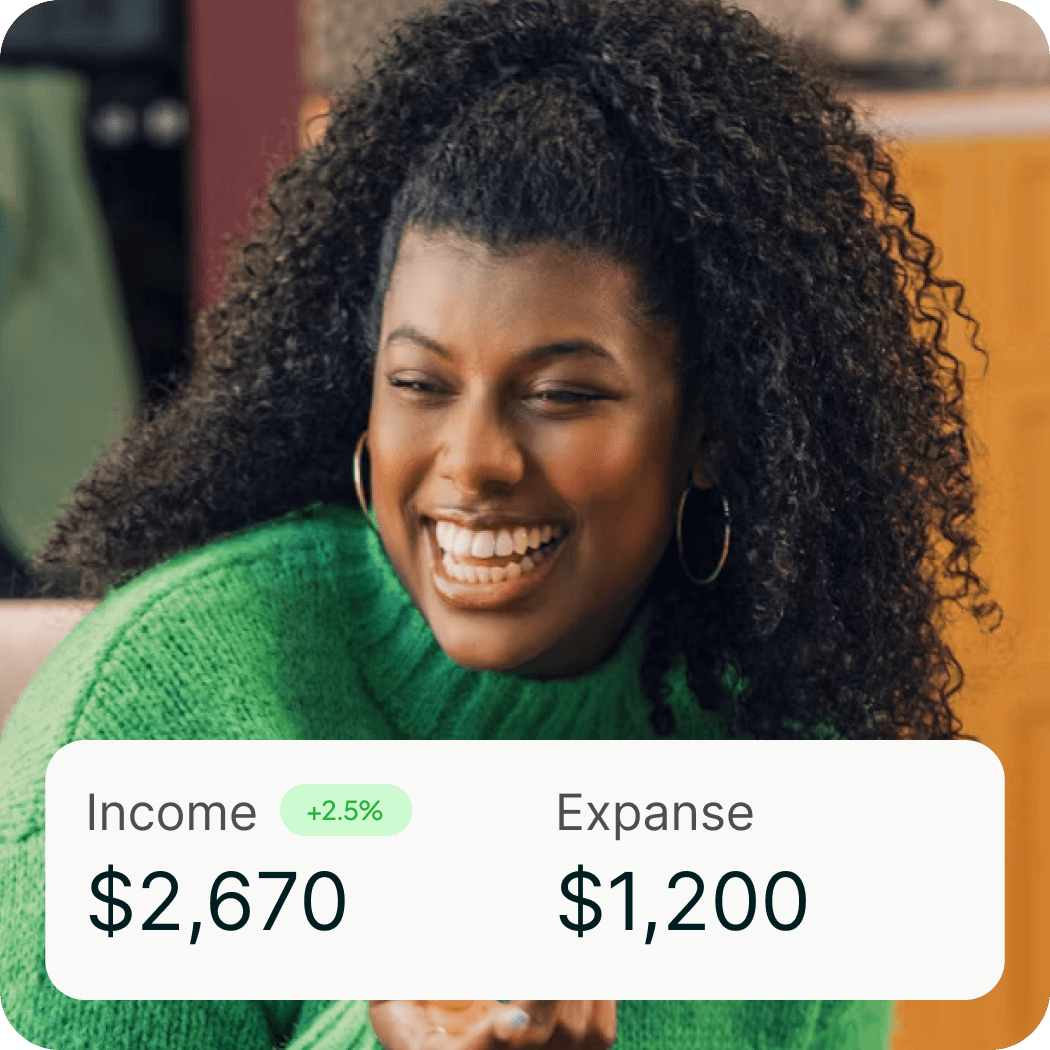
+2.5%
Business growth
Professional
Grow Faster
Strategic
Build Smart
AI-Focused
Simple
Startup Feel
Smarter
Why us
We build solutions that create real, measurable impact
Our approach blends strategic consulting, human-centered design, and advanced AI — giving you the clarity, tools, and confidence to thrive in the age of intelligence.
Testimonials
Our operating principles
From AI strategy engagements to agent deployments and enterprise-wide training programs — this is what our clients share.

"Cognis Group built our AI customer support stack from the ground up. We cut first-response time from hours to under 30 seconds and reduced support headcount needs by ~60% — without sacrificing the human feel our customers expect. They don't just advise; they ship."
-
Head of Customer Experience
,
MarketSage


"Cognis Group rebuilt our internal operations around agents that handle the work we used to staff in shifts. The team didn't shrink — it got repurposed onto problems worth human attention."
-
Operations lead
,
Enterprise client


"Cognis Group trained our whole organisation to work with AI instead of around it. Adoption curves we'd budgeted six months for closed in six weeks."
-
Chief People Officer
,
Enterprise client


"We've evaluated a lot of AI vendors. Most sell slideware. Cognis Group ships production code, integrates cleanly with our stack, and hands over properly. That's rare."
-
Partner CTO
,
Enterprise partner

"Cognis Group built our AI customer support stack from the ground up. We cut first-response time from hours to under 30 seconds and reduced support headcount needs by ~60% — without sacrificing the human feel our customers expect. They don't just advise; they ship."
-
Head of Customer Experience
,
MarketSage
"Cognis Group rebuilt our internal operations around agents that handle the work we used to staff in shifts. The team didn't shrink — it got repurposed onto problems worth human attention."
-
Operations lead
,
Enterprise client
"Cognis Group trained our whole organisation to work with AI instead of around it. Adoption curves we'd budgeted six months for closed in six weeks."
-
Chief People Officer
,
Enterprise client
"We've evaluated a lot of AI vendors. Most sell slideware. Cognis Group ships production code, integrates cleanly with our stack, and hands over properly. That's rare."
-
Partner CTO
,
Enterprise partner
"Cognis Group built our AI customer support stack from the ground up. We cut first-response time from hours to under 30 seconds and reduced support headcount needs by ~60% — without sacrificing the human feel our customers expect. They don't just advise; they ship."
-
Head of Customer Experience
,
MarketSage
"Cognis Group rebuilt our internal operations around agents that handle the work we used to staff in shifts. The team didn't shrink — it got repurposed onto problems worth human attention."
-
Operations lead
,
Enterprise client
"Cognis Group trained our whole organisation to work with AI instead of around it. Adoption curves we'd budgeted six months for closed in six weeks."
-
Chief People Officer
,
Enterprise client

Trusted by forward-thinking organizations across three continents
What we touch, we permanently change
Cognis Group bridges deep African market knowledge with global AI engineering capability. We do not replace people with AI — we make people extraordinary with AI.